
Abiquiú, New Mexico — where summer wakes the soul
There’s a particular kind of light in Abiquiú that lives in memory long after a visit ends. Nestled where cottonwoods rim the Chama River and red cliffs rise like folded pages of an old book, this high desert village—small, spare, and defiantly beautiful—moves through the seasons with a quiet ceremony. As spring loosens its grip and summer takes hold, Abiquiú performs one of the Southwest’s most subtle and profound transformations: the desert softens, colors deepen, and life hums into a warmer, more luminous rhythm.
First warmth: the shift from cool blue to sunlit gold
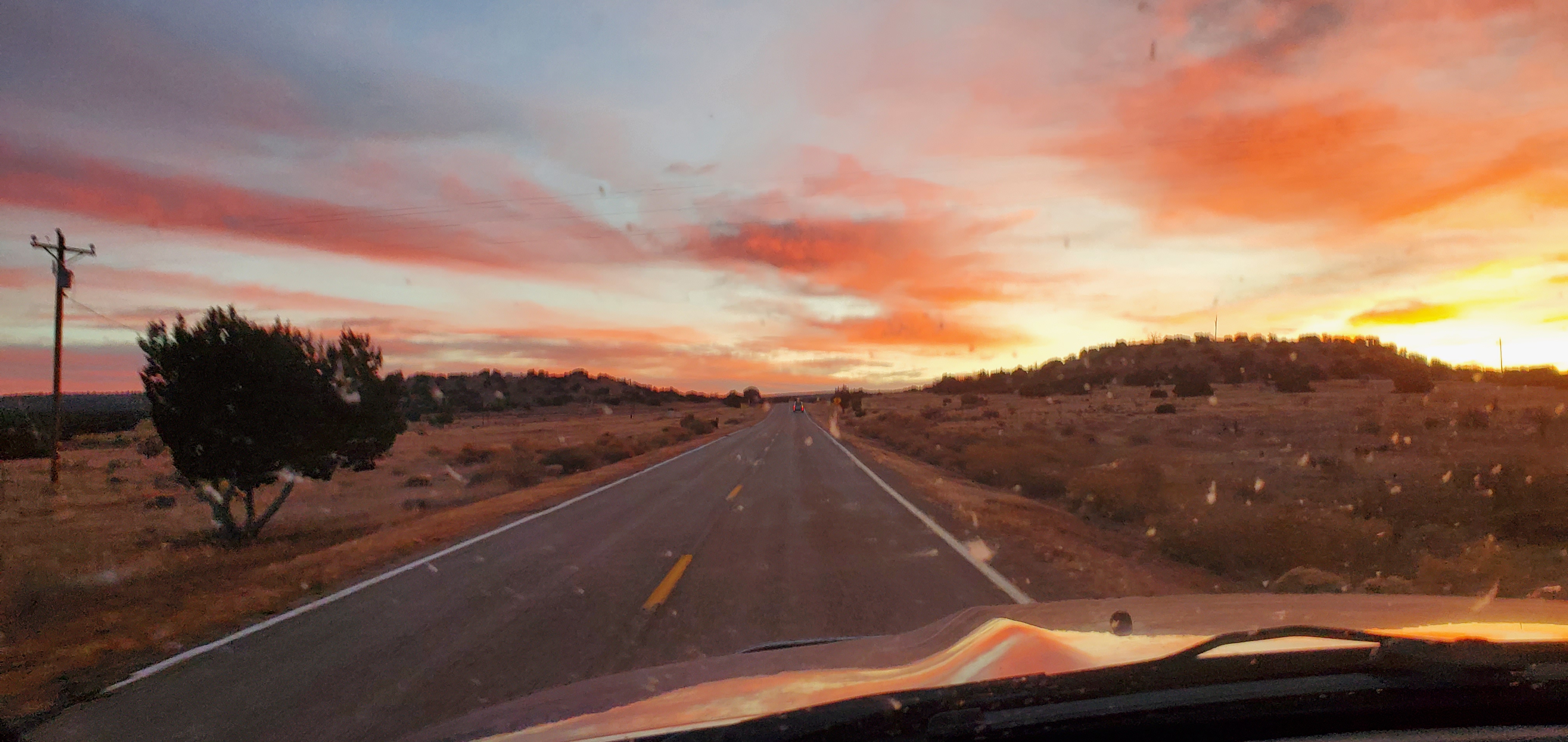
Spring in Abiquiú leaves behind cool mornings and crystalline skies. But summer brings a new kind of warmth—not the humid languor of the lowlands, but a dry, sun-rich heat that gilds the landscape. The sagebrush and juniper that defined the spring palette turn from dusty blue-gray to richer, toasted tones. The red and rose-colored cliffs of the Caja del Rio and Cerro Pedernal take on a molten quality at sunrise and sunset, their strata glowing like embers against an open sky. Light here is sculptural; it reveals the contours, crevices, and stories in stone.
Cottonwoods, riverside life, and the green ribbon
Summer breathes life into the river corridors. The Chama and small irrigation acequias feed a sudden abundance: cottonwoods leaf out in full, willows whisper with breeze, and narrow strips of riparian green contrast sharply with the surrounding aridity. Birdsong increases—warblers, flycatchers, and the occasional bobwhite—while dragonflies sketch quick strokes above slow-moving water. These green ribbons become sanctuary: places for late-afternoon shade, for cooling feet in shallow banks, and for watching evening light filter through leaves.
Wildflowers and ephemeral color
In early summer, the valley edges and washes bloom—wild lupine, penstemon, desert marigold, and the odd burst of paintbrush—brief, brilliant flashes against ochre and sand. Because precipitation is sporadic, the floral shows can be dramatic or modest, but when they happen, they transform the land from austere to celebratory. Pollinators answer the call; bees and butterflies stitch the scenery together with movement.
Afternoon storms: the desert’s dramatic cooling
Summer afternoons often build into brief, intense thunderstorms—monsoonal bursts that sweep across mesas in curtains of rain. Those storms are elemental theater: thunder rolling off distant plateaus, lightning tracing jagged veins through an expanse of sky, and sudden, cool rain that perfumes the air with the metallic tang of cleared dust. After a downpour the world feels washed and sharpened; colors pop, and the heat soothes into temperate evenings.
Night: clear, vast, and stellar
Abiquiú’s nights in summer are astonishingly clear. With little light pollution, the sky spills down—constellations bright, the Milky Way a pale river overhead. Warm daytime air gives way to cool breezes that carry the scent of sage and distant pinon smoke. Nights invite stories by small campfires, quiet stargazing, and a sense of being infinitesimally small in a luminous universe.
Human rhythms: a gentle, seasonal cadence
Summer in Abiquiú is paced by the land. Locals tend gardens and orchards watered by the acequias, painters and photographers chase the shifting light, hikers plan early starts to avoid midday heat, and afternoons soften into siestas or slow conversations on shaded porches. Artistic life—long associated with the area thanks to the legacy of Georgia O’Keeffe and others—feels especially alive: the color palette of the landscape seems to speak directly to painters after a storm, when dust and rain combine to saturate hues.
The lasting impression
What makes Abiquiú in summer memorable isn’t only the dramatic cliffs or the sudden blooms; it’s the way contrasts resolve into balance—heat and cool, red rock and river green, storm and sunshine, silence and song. Summer here is not an assault but a deepening: light becoming more intense, shadows more deliberate, and the small, essential life of the valley more visible. Visit at dawn or dusk to see the place at its most honest; stand along an acequia or at the foot of Cerro Pedernal and you’ll understand why artists, pilgrims, and wanderers keep returning.
Final image: a late-summer evening—gold spilling across red clay, cottonwood leaves trembling in a soft wind, a far-off thunderhead dissolving into a pastel horizon, and the first evening stars threading the deepening blue—Abiquiú in a moment that feels both eternal and newly born.
Leave a Reply